

Introduction
Concentration is a foundational cognitive skill that directly influences a child’s ability to learn, follow instructions, regulate emotions, and engage successfully in both academic and social environments. Research from the Harvard Center on the Developing Child shows that attention is a key component of the brain’s executive function system, which develops most rapidly during early childhood.
Difficulty focusing does not automatically indicate a disorder. In many cases, attention challenges are shaped by environmental factors, daily routines, emotional safety, or developmental readiness rather than pathology.
This guide offers practical, evidence-based strategies to help children strengthen their concentration skills at home, in preschool, and in daycare settings.
Common Signs of Low Concentration in Children
• Easily distracted by sounds, movement, or objects
• Difficulty completing tasks
• Frequently switching between activities
• Forgetfulness
• Trouble sitting still
• Impulsive behavior during play or learning
• Low tolerance for mental effort
Early recognition of these signs allows parents and educators to respond supportively and effectively.
12 Proven Strategies to Improve a Child’s Concentration
1. Use Focus-Boosting Games (Cognitive Play)
Play is one of the most effective ways to strengthen neural pathways related to attention, memory, and problem-solving.
Recommended games include:
• Puzzles
• LEGO or block building
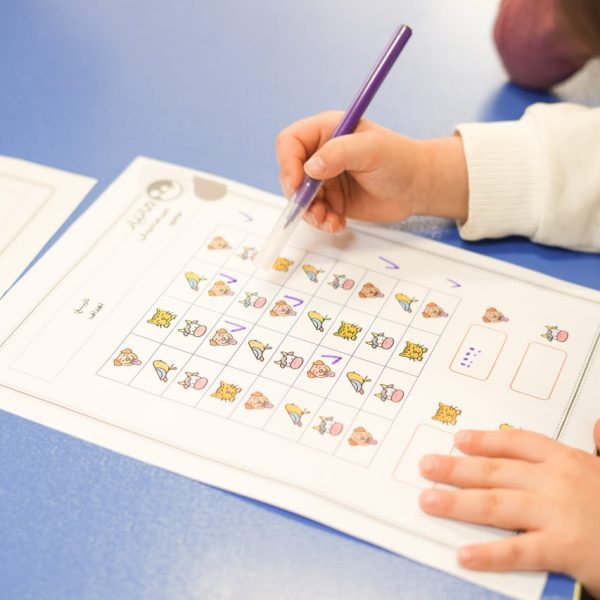
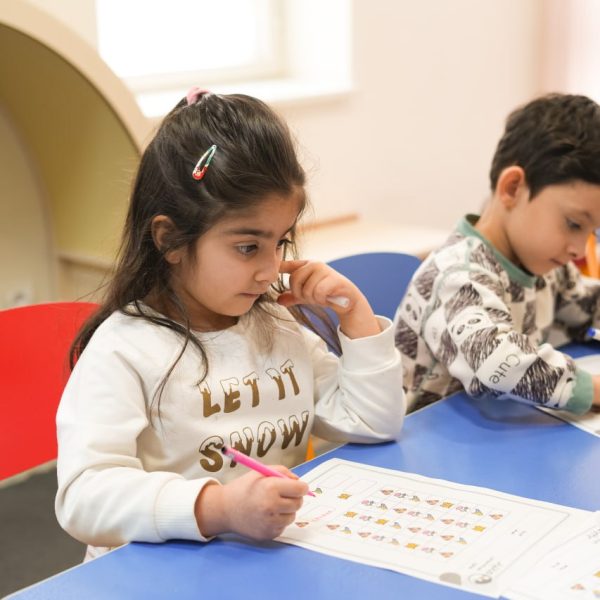
• Spot-the-difference games
• Memory card games
• Dominoes
• Object-finding games
Studies from institutions such as MIT show that structured play improves visual tracking and cognitive endurance.
2. Encourage Single-Tasking Instead of Multitasking
Children’s brains are not neurologically designed for multitasking.
Teach the principle of:
one task – one goal – one focus
Single-tasking improves learning efficiency and builds self-confidence.
3. Use Short Focus Intervals (APA-Supported)
Research referenced by the American Psychological Association suggests short, predictable attention cycles for young children:
• 5 minutes of focused activity
• 2 minutes of movement or rest
This approach is especially effective for preschool-aged children.
4. Reduce Environmental Distractions
Overstimulation significantly interferes with attention.
Limit or remove:
• Background television
• Smartphones and tablets
• Loud or chaotic household noise
• Too many visible toys
• Excessive screen exposure
A simplified environment supports sustained focus.


5. Include Daily Physical Activity
According to the CDC, children who engage in at least 60 minutes of physical activity daily show up to a 28% improvement in attention and cognitive performance.
Helpful activities include:
• Running or outdoor play
• Trampoline jumping
• Guided movement games
• Children’s yoga
• Balance and coordination games
6. Practice Mindfulness and Deep Breathing
More than 40 studies confirm that mindfulness practices strengthen self-regulation and attention.
Simple techniques:
• Slow breathing exercises
• “Blowing out a candle” breathing
• Guided imagery
• Bubble breathing
• Sensory grounding
Even 3 minutes per day can have measurable benefits.
7. Support Concentration Through Nutrition
Foods that support brain function and focus:
• Fatty fish (e.g., salmon)
• Eggs
• Nuts (almonds, walnuts)
• Oatmeal
• Berries
• Leafy green vegetables
Foods to limit:
• Refined sugar
• Highly processed snacks
• Artificially colored drinks
Consistent nutrition supports consistent attention.
8. Maintain a Healthy Sleep Routine
The National Sleep Foundation recommends:
• 10–13 hours of sleep per night for preschool-aged children
Sleep deprivation is one of the most common and overlooked causes of poor concentration.
9. Prioritize Quality Over Quantity in Learning
Excessive academic pressure reduces attention and motivation.
Focus on:
* Short learning sessions
• Play-based instruction
• Hands-on activities
• Meaningful, purposeful tasks
10. Teach Self-Regulation Skills
Helpful tools include:
• Simple reward charts
• Naming and labeling emotions
• Calm-down corners
• Limited choices (e.g., “Do you prefer A or B?”)
Children who regulate emotions more effectively can sustain attention for longer periods.
11. Practice Co-Working With Adults
Children concentrate better when an adult works alongside them rather than doing tasks for them.
This approach builds:
• Confidence
• Emotional safety
• Persistence
12. Seek Professional Evaluation When Necessary
If concentration difficulties are persistent, severe, or significantly interfere with daily functioning, consultation with a child development specialist, psychologist, or pediatrician can be helpful.
When to Seek Professional Support
If concentration difficulties persist for more than six months, or significantly interfere with a child’s learning, daily functioning, or emotional well-being, it is recommended to consult a child development specialist, pediatrician, or child psychologist for appropriate evaluation and guidance.
Early support can prevent secondary challenges such as low self-esteem or academic frustration.
Conclusion
Concentration is not an inborn trait; it is a skill that develops over time and can be strengthened with intentional support.
When children are provided with a nurturing environment, predictable routines, balanced nutrition, play-based learning opportunities, and simple mindfulness practices, their ability to focus can improve significantly—both at home and in early learning settings.
Small, consistent changes often lead to meaningful, long-term improvements in attention and self-regulation.
References
1. Harvard Center on the Developing Child – Executive Function & Self-Regulation
2. MIT Department of Brain and Cognitive Sciences – Early Childhood Learning
3. American Psychological Association (APA) – Research on Child Attention and Focus
4. Centers for Disease Control and Prevention (CDC) – Physical Activity and Cognitive Benefits
5. National Sleep Foundation – Sleep Guidelines for Children
6. Child Mind Institute – Improving Focus and Attention in Children



No comment